

Industry experts see several trends shaping single-stage centrifugal pump technology in 2025. These trends include smart technology, energy efficiency, digital transformation, advanced materials, sustainability, automation, and market expansion. Each trend pushes manufacturers, engineers, and decision-makers to improve performance, reliability, and user experience.
Key Takeaways
·Embrace smart technology and IoT integration to enhance pump monitoring and maintenance. This approach helps prevent breakdowns and reduces downtime.
·Invest in energy-efficient pump designs to lower operating costs and meet sustainability goals. High-efficiency pumps save energy and support environmental targets.
·Utilize advanced materials for improved pump performance and durability. Strong materials ensure pumps operate safely in demanding environments.
Single-stage Centrifugal Pump Overview
Industrial Applications
A single-stage centrifugal pump serves many industries. Factories use these pumps to move clean water and other liquids. Municipal water systems rely on them for urban water supply and drainage. High-rise buildings need pressurized water, and these pumps deliver it efficiently. Garden irrigation systems benefit from their steady flow. Fire protection systems depend on reliable pumps for pressurization. Heating systems and long-distance water delivery also use this technology. The SLNC pump stands out because it meets the needs of each application. Its design allows for customization, so engineers can adjust impeller types and speeds. This flexibility helps companies solve unique challenges in their operations.
Tip: Customizing the pump’s impeller and speed ensures optimal performance for each application.
Performance Standards
Manufacturers design the SLNC pump to meet ISO2858 standards. These standards set strict requirements for dimensions and performance. The pump’s robust structure ensures durability and reliability. Engineers value the stable performance, especially in demanding environments. The SLNC pump offers a wide flow range and head range, making it versatile for different tasks. Companies can choose from nearly 200 types, which helps them match the pump to specific needs. Meeting international standards means the pump performs well and lasts longer. This commitment to quality supports safe and efficient operations across industries.
Key Trends in Pump Technology
Smart Trends and IoT Integration
Manufacturers now focus on smart trends that change how single-stage centrifugal pump systems operate. They use sensors and controllers to collect real-time data. These sensors track flow rates, pressure, and temperature. Operators can monitor pump health from remote locations. This technological shift helps prevent breakdowns and reduces downtime.
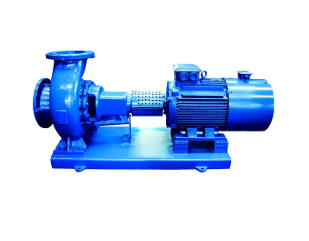
Many companies install IoT devices on pumps. These devices send alerts when they detect unusual patterns. For example, a sudden drop in pressure may signal a leak. Maintenance teams respond quickly to these alerts. IoT integration also supports predictive maintenance. Teams use data to schedule repairs before problems occur. This approach saves money and increases reliability.
Note: Smart pumps with IoT features help companies improve safety and efficiency.
A table below shows how IoT integration benefits different users:
| User Type | Benefit | Example |
|---|---|---|
| Operators | Remote monitoring | Check pump status online |
| Maintenance Teams | Predictive alerts | Plan repairs early |
| Managers | Data-driven decisions | Optimize energy use |
Smart trends and IoT integration drive innovation in pump technology. These advancements support the transformation of industrial operations. Companies that adopt smart pumps gain a competitive edge.
Digital Transformation in Maintenance
Digital transformation changes how teams maintain pumps. Workers use mobile apps and cloud platforms to access maintenance records. They scan QR codes on pumps to view service history. This digital approach makes information easy to find and share.
Technological advancements in maintenance include digital twins. A digital twin is a virtual model of a pump. Engineers use it to test changes before making adjustments in real life. This method reduces risk and improves accuracy. Teams also use augmented reality tools. These tools guide workers through repair steps using digital overlays.
Tip: Digital tools help maintenance teams work faster and avoid mistakes.
Digital transformation leads to better planning and fewer errors. Teams track parts and supplies with inventory management software. They set reminders for routine checks. Managers analyze digital reports to spot trends and plan upgrades. This innovation supports safer and more reliable pump operation.
The transformation in maintenance practices reflects a broader shift toward technological solutions. Companies that embrace digital advancements improve efficiency and extend pump life. The single-stage centrifugal pump industry benefits from these changes, as reliability and performance continue to rise.
Energy Efficiency and Sustainability Trends
High-efficiency Designs
Engineers continue to improve pump designs to achieve higher efficiency. The SLNC pump uses advanced impeller shapes and optimized flow paths. These features help reduce energy loss and increase output. Many factories choose pumps with variable speed controls. These controls allow operators to adjust the pump’s speed for different tasks. This adjustment saves energy and boosts efficiency. Manufacturers also use precision manufacturing methods. These methods ensure that each part fits perfectly and works smoothly. A well-designed single-stage centrifugal pump can deliver water with less power. This improvement lowers operating costs and supports sustainability goals.
Note: High-efficiency pumps help companies reduce energy bills and meet environmental targets.
A table below shows how efficiency upgrades benefit different industries:
| Industry | Efficiency Benefit | Example |
|---|---|---|
| Municipal Water | Lower energy use | Reduced electricity cost |
| Manufacturing | Improved process control | Stable water supply |
| Agriculture | Less waste | Efficient irrigation |
Environmental Impact and Regulations
Sustainability drives changes in pump technology. Companies must follow strict environmental rules. These rules limit energy use and control emissions. Engineers design pumps that use less electricity and produce fewer greenhouse gases. Many organizations set sustainability targets for their operations. They choose equipment that meets these goals. The SLNC pump supports sustainability by using materials that last longer and require less maintenance. Regulators encourage the use of high-efficiency pumps in new projects. Operators track energy consumption and report results to meet compliance standards. These efforts help protect natural resources and promote responsible water management.
Tip: Choosing pumps with high efficiency and low environmental impact supports long-term sustainability.
Advanced Materials and Innovation
Material Improvements
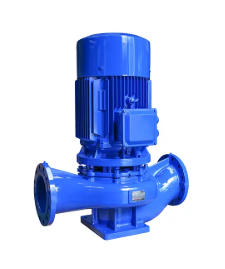
Engineers select advanced materials to improve pump performance. Stainless steel resists corrosion and extends service life. Composite materials reduce weight and increase durability. The single-stage vertical centrifugal pump use high-quality alloys for key components. These alloys handle high pressure and temperature. Manufacturers test materials to ensure reliability in harsh environments. ISO2858 standards guide material selection and guarantee consistent quality. Pumps with improved materials operate longer and require less maintenance.
Note: Strong materials help pumps work safely in demanding industries.
Manufacturing Advances
Modern factories use precise manufacturing methods to build pumps. Computer-controlled machines shape parts with high accuracy. The SLNC pump benefits from these advanced techniques. Workers assemble pumps in clean environments to prevent contamination. Manufacturers inspect each pump before shipping. ISO2858 standards set rules for dimensions and tolerances. These rules help companies produce pumps that fit perfectly and perform well. Automation speeds up production and reduces errors. The single-stage centrifugal pump industry relies on innovation to meet changing needs.
| Manufacturing Method | Benefit | Example |
|---|---|---|
| CNC Machining | High precision | Accurate impeller size |
| Automated Assembly | Faster production | Consistent quality |
| Quality Inspection | Reliable product | Fewer defects |
Automation and Process Optimization
Automated Controls
Automation transforms how industries operate single-stage centrifugal pump systems. Engineers install smart controllers that adjust pump speed and flow automatically. These controllers respond to changes in demand, which helps maintain steady performance. Operators use touchscreens and remote panels to set parameters. Sensors monitor pressure, temperature, and flow. The system sends alerts if it detects unusual conditions. Automation reduces the need for manual checks and improves safety.
Key features of automated controls include:
·Real-time monitoring of pump status
·Automatic adjustment of operating parameters
·Quick response to system changes
·Remote access for operators
Tip: Automated controls help teams react faster and prevent costly downtime.
Operational Efficiency
Automation boosts operational efficiency in many industries. Teams schedule pumps to run only when needed. This practice saves energy and lowers costs. Maintenance crews use automated logs to track performance and spot issues early. Managers analyze data from automated systems to plan upgrades and optimize resources.
A table below shows how automation improves efficiency:
| Benefit | Example |
|---|---|
| Reduced energy use | Pumps run during peak demand |
| Fewer manual tasks | Automated alerts for problems |
| Better resource use | Data-driven maintenance plans |
Automation supports consistent water delivery and reliable operation. Companies that invest in automation see fewer breakdowns and longer equipment life. The single-stage centrifugal pump industry relies on these advancements to meet modern demands.
Market Expansion and Applications
Growth in New Markets
Many industries now see strong growth in the use of single-stage centrifugal pump technology. Companies in Asia, Africa, and South America invest in new water infrastructure. These regions experience rapid urban growth, which increases demand for reliable water supply systems. Industrial zones also expand, leading to more factories and processing plants. Each new facility creates opportunities for pump manufacturers. Energy and mining sectors show steady growth as well. They need pumps for cooling, water transfer, and waste management.
Note: Urbanization and industrialization drive growth in pump demand worldwide.
A table below highlights areas with the fastest growth:
| Region | Main Driver | Growth Rate |
|---|---|---|
| Asia | Urban expansion | High |
| Africa | Infrastructure | Moderate |
| South America | Industry | Moderate |
Application-specific Trends
Different industries show unique trends in pump applications. Municipal water systems focus on growth in capacity and efficiency. Agriculture sees growth in irrigation projects, especially in arid regions. Fire protection systems require pumps that support growth in high-rise construction. Heating and cooling systems in commercial buildings also experience growth as cities modernize.
Manufacturers design pumps for each application. They offer features like variable speed control and corrosion-resistant materials. The single-stage centrifugal pump adapts to these trends, supporting growth in both traditional and emerging markets.
Challenges and Opportunities
Adoption Barriers
Many companies face barriers when adopting new pump technologies. Some teams lack technical knowledge about smart systems. Others worry about the cost of upgrading equipment. Training workers to use advanced controls takes time. In some regions, older infrastructure makes it hard to install modern pumps. Decision-makers often hesitate because they want proof of reliability before investing.
Note: Addressing these barriers helps organizations move forward with new solutions.
Common adoption barriers include:
Limited technical expertise
High initial investment
Resistance to change
Compatibility with existing systems
A table below shows how each barrier affects different groups:
| Barrier | Who Faces It |
|---|---|
| Technical expertise | Maintenance teams |
| Investment cost | Managers |
| Resistance to change | Operators |
| System compatibility | Engineers |
Strategic Opportunities
Despite these challenges, many opportunities exist for growth and improvement. Manufacturers can offer training programs to help users learn new systems. Companies can choose pumps with flexible designs that fit old and new setups. The single-stage centrifugal pump provides options for customization, which supports different industries. Teams can use data from smart pumps to improve efficiency and reduce costs. Partnerships with technology providers can speed up digital transformation.
Tip: Embracing innovation leads to better performance and long-term success.
Strategic opportunities include:
·Training and education
·Customization for specific needs
·Data-driven decision making
·Collaboration with experts
These opportunities help organizations stay competitive and prepare for future demands.
Industry leaders see several trends shaping the future of the single-stage centrifugal pump in 2025. Stakeholders should focus on smart technology, energy efficiency, and advanced materials. Companies that adapt quickly gain a competitive advantage. Proactive teams leverage new opportunities and drive innovation.
Prioritize smart solutions
Invest in efficient designs
Embrace material advancements
FAQ
What industries use single stage single suction centrifugal pump and single stage double suction centrifugal pump?
Single stage single suction centrifugal pump and single stage double suction centrifugal pump serve the petroleum industry, chemical processing, water and wastewater treatment, and food and beverage production.
How does market analysis help companies in the global single stage centrifugal pump market?
Market analysis gives companies insight into market dynamics, demand, and competition. They use this information to improve products and expand market share.
Why do engineers choose single stage single suction centrifugal pump for the petroleum industry?
Engineers select single stage single suction centrifugal pump for the petroleum industry because it offers reliable performance, efficient operation, and meets strict market requirements.
Post time: Nov-27-2025