

Proper installation of a horizontal single-stage centrifugal pump ensures reliable operation. Technicians who follow correct procedures help pumps reach lifespans of 15 to 20 years, often exceeding 25 years with regular maintenance. > Careful preparation and alignment prevent costly repairs and downtime.
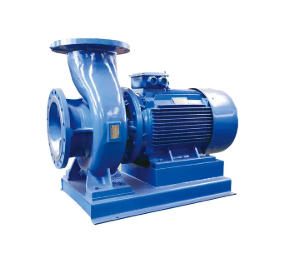
Horizontal Single-Stage Centrifugal Pump Installation Steps
Safety Precautions
Safety remains the top priority during installation. Technicians must conduct a thorough risk assessment before beginning work. They equip themselves with personal protective equipment (PPE) based on the identified hazards. Recommended PPE includes hard hats, safety goggles or face shields, high-visibility vests, steel-toed boots with non-slip soles, hearing protection, respiratory masks, and gloves. Operators receive training on safe procedures and the correct use of PPE.
Always ensure all guards and shields are in place before starting the pump. Approach the pump cautiously when it is running to avoid accidents.
Common hazards during installation include:
Overheating, which can cause burns and damage equipment.
Impeller cavitation due to improper pipeline or valve status.
Dry running, which occurs if the pump cavity is not filled with medium.
Air leaks and blockages on the suction line, often caused by worn-out components.
Tools and Materials Checklist
A successful installation requires the right tools and materials. Technicians prepare the following items:
Spirit level
Dial indicator
Feeler gauge
Wrenches
Iron plugs
Epoxy grout
Anchor bolts
PPE (as listed above)
Electrical testing equipment
They also verify that all pump components, including seals and couplings, are present and undamaged.
Site Preparation and Base Leveling
Proper site preparation ensures stability and longevity for the horizontal single-stage centrifugal pump. The installation team clears the area of debris and checks for adequate drainage. They inspect the foundation and baseplate for cracks or uneven surfaces.
Industry standards require precise leveling:
ANSI specifications: Level to 0.005 inches per foot.
API610 specifications: Level to 0.0018 inches per foot (0.15 millimeters per meter).
Technicians use a spirit level and adjust the baseplate until it meets these tolerances. Epoxy grout secures the base and prevents movement.
Positioning and Securing the Pump
Technicians position the pump on the leveled baseplate. They align the pump with the piping system and secure it using anchor bolts. Proper securing prevents vibration and movement during operation.
Neglected maintenance or ineffective seals can lead to fluid leakage, increased energy consumption, and safety hazards. Unexpected pump failures may halt production and cause indirect costs, such as idle workers and delayed shipments.
Motor Installation and Alignment
Motor alignment plays a critical role in the efficiency and lifespan of the horizontal single-stage centrifugal pump. Technicians perform pre-alignment checks, including foundation inspection, soft foot check, and pipe strain assessment.
Best practices for alignment include:
Using laser sensors for precise shaft alignment.
Employing dial indicators to measure and correct misalignment.
Correct alignment reduces energy consumption and prevents excessive vibration and premature wear.
Consequence Description
Increased energy usage Misalignment forces shafts to rotate eccentrically, leading to higher power consumption.
Excessive vibrations Misalignment causes vibrations that can stress components, leading to premature wear.
Premature wear of components Increased friction and heat in bearings reduce their lifespan and functionality.
Higher operational costs The combination of increased energy usage and component wear results in elevated expenses.
Coupling Alignment and Calibration
Proper coupling alignment ensures smooth operation and extends the life of the horizontal single-stage centrifugal pump. Misalignment can cause vibration, noise, bearing wear, and even shaft fractures.
Step Description
1 Align the coupling and check the motor’s direction of rotation against the pump’s steering arrow.
2 Use thin gaskets under the feet for careful alignment of the shaft line.
3 Follow the coupling manufacturer’s instructions for installation and calibration.
4 For precise calibration, use a dial indicator to measure radial and axial directions.
5 Ensure the maximum end face runout is 0.05mm and radial runout is 0.1mm.
6 Install the coupling cover and recheck coupling guards after alignment.
Misalignment increases vibration and noise, especially with elastomeric couplings. High vibration levels at 1x or 2x machine speed often indicate misalignment.
Electrical Connections
Technicians ensure a stable power supply to prevent overheating and inefficiency. They inspect electrical connections for integrity and use surge protectors to mitigate voltage fluctuations. Regular insulation resistance tests help identify deterioration early and prevent downtime.
Common electrical faults include:
Power supply issues, such as fluctuations and outages.
Insulation degradation due to environmental factors.
Motor failure from voltage surges.
Priming the Pump
Priming prepares the horizontal single-stage centrifugal pump for operation by filling the casing with liquid. Most centrifugal pumps are not self-priming, so this step is essential.
Standard priming procedures:
Close the discharge valve to trap fluid in the casing and build vacuum pressure.
If the suction supply is below the pump, install a foot valve and fill the pump with liquid from a priming pump or another supply.
If the suction supply is above the pump, slowly open the suction isolation valve and air vents until fluid flows out, then close the vents and valve.
Use air vents designed for priming, ensuring to close the vent after water escapes.
A correctly sealed suction system prevents air leaks and ensures effective priming. If the pump takes too long to prime, technicians check for leaks or blockages. In freezing conditions, they drain the pump or provide heat to avoid damage.
Initial Testing and Troubleshooting
Initial testing confirms proper installation and identifies potential issues. Technicians use foundation and anchor bolts, level the baseplate to within 0.0002 meter per meter, and apply epoxy grout. They maintain low piping forces to prevent movement during flange tightening.
Common troubleshooting issues during startup include:
Problem Description Causes Solutions
Pump does not start or starts difficultly Electrical failures (e.g., blown fuse, motor winding issues) or mechanical failures (e.g., misalignment, bearing damage) Check electrical connections, inspect motor components, and ensure proper alignment and lubrication.
Reduced flow or low flow rate Clogs, blockages, or wear on impellers Inspect and clean the pump’s inlet and impeller, replace worn components.
Motor issues Overheating or electrical faults Check motor connections, voltage, and amperage; address electrical issues promptly.
Technicians resolve these issues quickly to ensure the horizontal single-stage centrifugal pump operates efficiently and safely.
Practical Tips for Horizontal Single-Stage Centrifugal Pump Installation
Ensuring Proper Alignment
Proper alignment ensures smooth operation and extends the life of the horizontal single-stage centrifugal pump. Technicians use both rough and final alignment techniques to achieve precision. The following table outlines effective alignment steps:
Step Description
1 Reinstall the pump and motor on the baseplate, using reverse indicators or laser alignment for rough alignment.
2 Bring piping to the equipment, measure, and tack weld spools in place, leaving a gap for gaskets.
3 Tighten piping and check that shaft movement does not exceed 0.002 inch; modify spools if needed.
4 Use indicators in both planes to monitor movement during unbolting; adjust if movement exceeds 0.002 inch.
Misalignment increases maintenance frequency and operational costs. It causes premature wear, higher energy use, and frequent repairs.
Preventing Leaks and Vibrations
Leaks and vibrations can disrupt pump performance. Common causes of leaks include:
Damaged shaft seal
Improper pump body material selection
Poor lubrication
Excessive speed of the prime mover
To reduce vibration, technicians address cavitation, maintain proper alignment, and check bearings regularly. They also tighten all bolts on the foundation and motor.
Regular inspection and maintenance help prevent leaks and keep vibration levels low.
Troubleshooting Startup Issues
Technicians follow a systematic approach to resolve startup problems:
Identify the problem.
Observe the equipment.
Run diagnostic tests.
Inspect critical components.
Use advanced monitoring technology if available.
This process ensures the horizontal single-stage centrifugal pump starts reliably and operates efficiently.
Technicians achieve safe and efficient pump installation by following key steps: transporting the unit, leveling the base, aligning couplings, and securing all components. Regular inspection prevents downtime, enhances efficiency, and extends equipment lifespan.
Post time: Oct-10-2025