

To help non-professionals better understand energy-saving concepts, some of the technical explanations below may not be entirely rigorous. Professionals are kindly asked for their understanding.
Why is it necessary for business personnel to conduct preliminary research?
This is to determine whether the enterprise is operating normally (as long as production is normal, water usage is generally normal), and whether the equipment requiring energy-saving retrofitting is functioning properly.
This prevents situations where, upon arriving on-site, production is found to be abnormal and water usage irregular, making the measurement data unreliable and causing our inspection personnel to make a wasted trip.
Why can the data provided by users or collected on-site only be used as a reference?
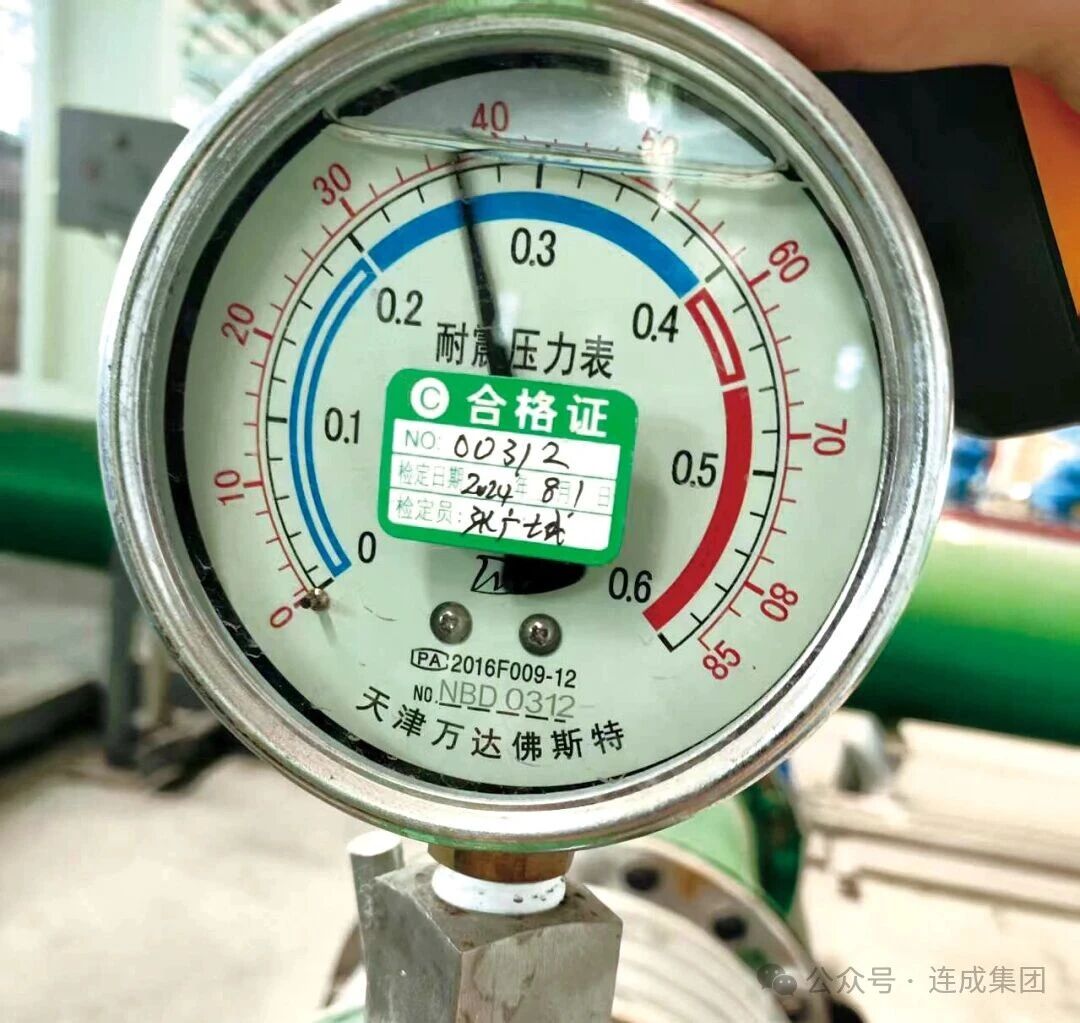
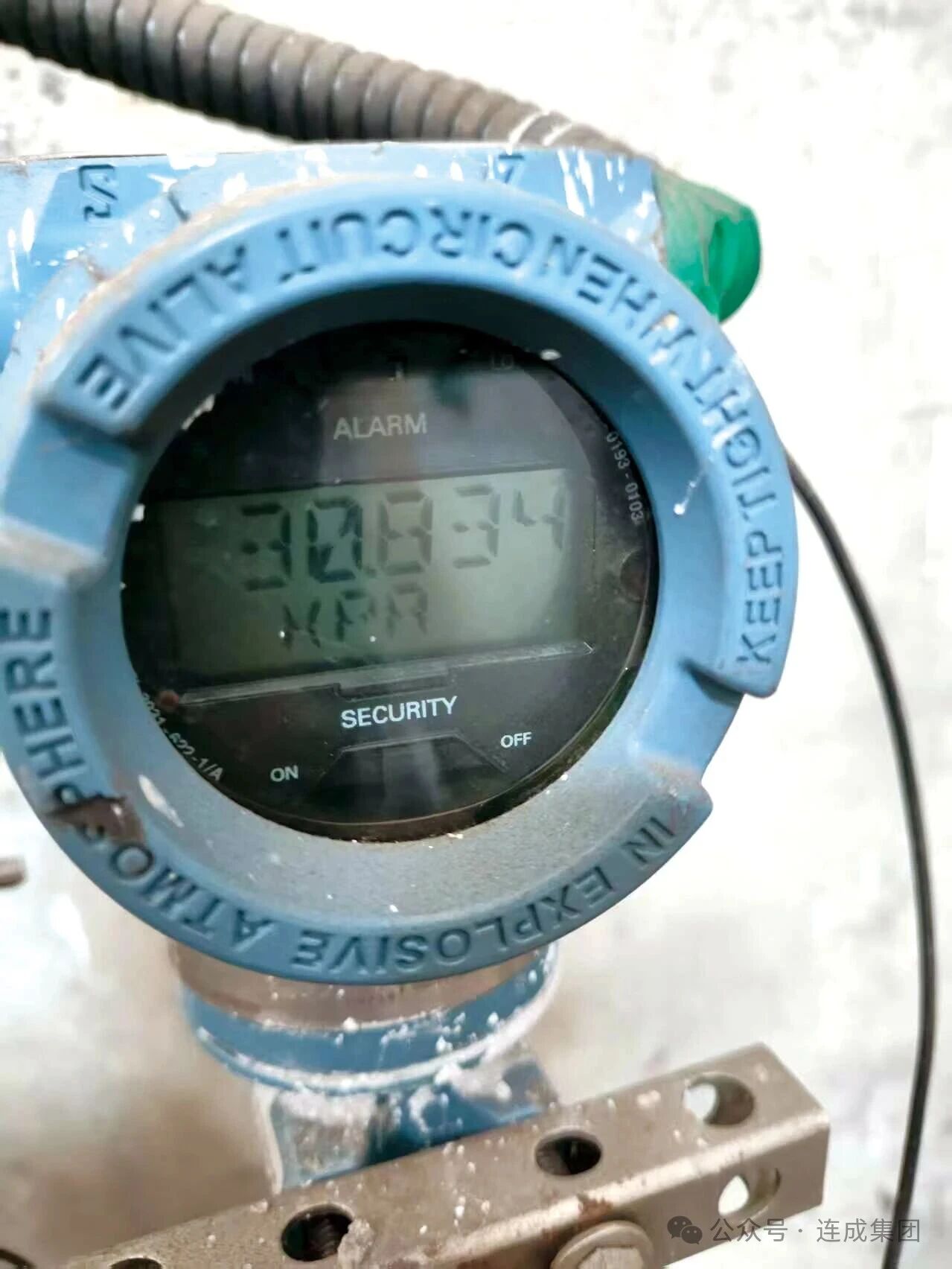
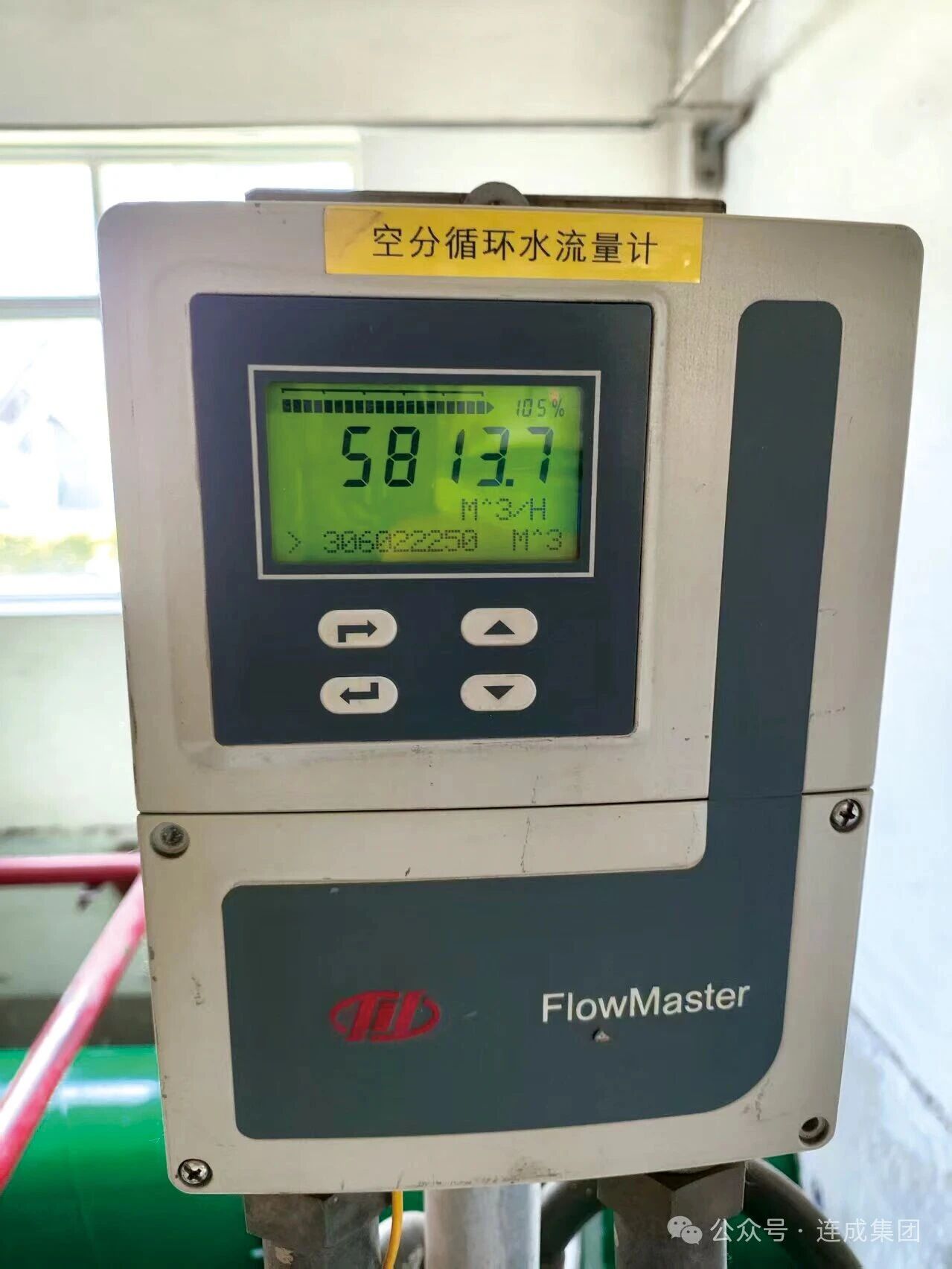
Many on-site display instruments—such as pressure gauges, flow meters, and ammeters—often become inaccurate over time due to lack of calibration. In many enterprises, these instruments are not calibrated regularly (and in some cases, not at all), even when inaccuracies are known.
Using such incorrect data can ultimately lead to errors in calculating power-saving rates and total energy savings.
For example, instruments like those shown in the figure will inevitably develop deviations after long-term use. Without timely calibration, these errors will increase, and the displayed values will drift further from the true values.
Some may ask: “If that’s the case, how can you ensure your own instruments are accurate?” The answer is yes—we ensure accuracy by sending our testing instruments to professional calibration companies every year.
Why is it best to conduct energy-saving testing during hot weather (summer)?
For circulating cooling systems (which are very common in industries such as steel, chemical, and power plants; less so in systems like municipal water supply), water circulation increases as the weather gets hotter.
During the hottest periods, water demand for production reaches its peak (assuming normal production conditions). At peak water demand, pump output is maximized, and electrical power consumption is also at its highest.
Therefore, this is the most suitable time for testing.
Of course, testing at other times is not impossible. However, during such tests, customers must cooperate by adjusting water usage to simulate peak conditions. Even then, there may still be slight differences compared to actual peak usage. Hence, conducting tests during the hottest summer periods is ideal.
A brief explanation of heat transfer factors in circulating cooling water systems
A significant portion of the pumps we retrofit for energy saving are used in circulating cooling systems. Although their principles are generally similar, we will explain them in a simplified way.
There are three main factors affecting heat transfer (or heat dissipation):
temperature difference, heat transfer coefficient, and heat transfer area.
Let’s explain with simple examples:
1. Temperature Difference
Wearing short sleeves feels very different in summer versus winter. In winter, you feel much colder—even though your body temperature remains around 37°C.
Assume:
- Summer ambient temperature: 30°C
- Winter ambient temperature: -10°C
Temperature difference:
- Summer: 37 − 30 = 7°C
- Winter: 37 − (−10) = 47°C
Clearly, the temperature difference is much larger in winter, leading to faster heat loss from the body—hence the feeling of cold. This shows that the greater the temperature difference, the faster the heat transfer.
2. Heat Transfer Coefficient
In winter, going outside after washing your face feels colder than not washing it. This is because the heat transfer coefficient increases, leading to faster heat loss.
3. Heat Transfer Area
This is easier to understand: the larger the heat transfer area, the greater the amount of heat dissipated.


Practical implications
When a facility reports insufficient cooling or inability to reduce temperature, there are three common solutions:
- Increase pump flow rate
(Higher flow → higher velocity → effectively larger heat transfer area) - Use a heat exchanger with a higher heat transfer coefficient
- Wait for colder weather
(Lower ambient temperature naturally improves heat transfer)
Among these, increasing pump flow is usually the most practical and commonly adopted solution.
Why must customer personnel accompany energy-saving inspections?
For safety reasons. On-site pumps, motors, and control cabinets may be energized. Improper operation—such as unintended startup or shutdown—can affect production or even cause safety incidents.
Therefore, professional personnel must be present during inspections.
Post time: Apr-09-2026