

Public water systems face serious contamination threats. Failures in distribution systems are a key factor, causing 14% of waterborne disease outbreaks. These risks impact millions annually.
·Up to 45 million people face health-based water quality violations each year.
·Nitrate and PFAS chemical contaminations are increasing problems.
An INTELLIGENT PUMP HOUSE protects the complete water supply equipment, offering a modern defense.
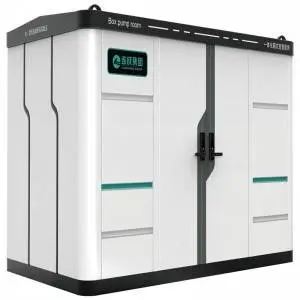
Proactive Defense: How the INTELLIGENT PUMP HOUSE Actively Stops Contaminants
An INTELLIGENT PUMP HOUSE is a proactive defense system. It actively stops contaminants before they can harm the public water supply. This system uses advanced technology to monitor, detect, and neutralize threats around the clock. It provides a powerful, modern solution for ensuring water safety.
Real-Time Water Quality Monitoring
A key feature of the Liancheng INTEGRATED BOX TYPE INTELLIGENT PUMP HOUSE is its ability to monitor water quality in real time. This system does not wait for problems to arise. It constantly checks the water for any signs of trouble.
Smart water monitoring uses advanced Internet of Things (IoT) sensor systems. These sensors automatically track important water quality indicators. They measure several key parameters to ensure the water is safe.
·Temperature: Affects bacterial growth and disinfection effectiveness.
·pH: Indicates the water’s acidity or alkalinity.
·Turbidity: Measures water clarity, which can signal suspended particles.
·Dissolved Oxygen: Essential for aquatic life and indicates overall water health.
·Conductivity: Shows the level of dissolved solids in the water.
·Nutrient Concentrations: Tracks levels of nitrates and other substances.
These sensors collect data continuously. A Microcontroller Unit (MCU) gathers the information and sends it to a central data warehouse in the cloud. This allows for constant analysis and reporting. Operators receive automated reports and real-time alerts on their computers or mobile devices. This immediate feedback loop enables quick, informed decisions to maintain water safety. Modern sensors can even detect specific contaminants like lead, nitrates, and arsenic, providing an extra layer of protection.
Automated Anomaly Detection
The INTELLIGENT PUMP HOUSE uses machine learning to spot problems automatically. This is called automated anomaly detection. The system learns what normal water quality looks like. It then watches for any data that seems unusual or out of place.
Anomaly detection systems analyze patterns in data. They can identify potential issues like compliance problems, maintenance needs, or sudden changes in water quality before they become major threats.
These systems use powerful machine learning algorithms to analyze the constant stream of sensor data. Some of the algorithms used for this purpose include:
|
Algorithm Type |
Examples |
Purpose |
| Neural Networks | Deep Neural Networks (DNNs), LSTM, ResNet | Identifies complex, non-linear patterns in time series data. |
| Clustering | k-Nearest Neighbors (kNN), DBSCAN | Groups similar data points and flags outliers that don’t fit. |
| Support Vector Machines | SVM, One-Class SVM | Classifies data as normal or anomalous, effective for high-dimensional data. |
| Ensemble Methods | Random Forest, Isolation Forest | Combines multiple models to improve detection accuracy and reduce false alarms. |
When an algorithm detects an anomaly, such as a sudden spike in turbidity or a drop in pH, it immediately triggers an alert. This allows water operators to investigate and resolve the issue proactively, preventing contaminated water from ever reaching consumers.
Precision Disinfection Dosing
Maintaining the right level of disinfectant is critical for water safety. Too little disinfectant can allow harmful microbes to grow. Too much can create toxic chemical byproducts. The Liancheng INTEGRATED BOX TYPE INTELLIGENT PUMP HOUSE solves this problem with precision disinfection dosing.
Automated systems offer significant advantages over manual methods. Manual tracking of chemical levels, soak times, and expiration dates is difficult and prone to human error. Automated systems eliminate these risks.
Enhanced Accuracy: Automation ensures the correct amount of disinfectant is used every time, based on real-time sensor data.
Improved Efficiency: Automated systems save time and labor, allowing staff to focus on other important tasks.
Comprehensive Documentation: The system automatically records all disinfection cycles, providing a complete record for compliance and audits.
Increased Safety: Enclosed, automated systems reduce operator exposure to hazardous chemicals like chlorine.
The system uses sensor data to adjust disinfection levels automatically. For example, if sensors detect an increase in organic matter, the system can precisely increase the chlorine dose to neutralize the threat. This prevents both under-chlorination and over-chlorination. Over-chlorination is a serious concern, as it can create harmful byproducts like trihalomethanes (THMs) and 2-butene-1,4-dial (BDA), which have been linked to cancer and other long-term health problems. By using just enough disinfectant, the system protects public health without introducing new risks.
Fortifying the System: Securing Water Integrity with an INTELLIGENT PUMP HOUSE
Beyond proactive monitoring, a water system must be physically and digitally secure. The Liancheng INTEGRATED BOX TYPE INTELLIGENT PUMP HOUSE fortifies the entire water supply chain. It prevents contamination from entering the system and ensures a rapid, controlled response if an incident occurs. This robust design protects water integrity from the pump house to the tap.
Preventing Secondary Contamination
Secondary contamination happens when clean water becomes polluted within the distribution system itself. A primary cause is biofilm, a slimy layer of bacteria that can grow inside pipes. The design of the pump house and its components directly counters this threat.
Engineers use advanced materials and design principles to stop biofilm growth.
Advanced Surfaces: The system uses materials with smooth, corrosion-resistant surfaces. Some components even feature micro or nano-scale engineering and special antifouling coatings. These surfaces make it difficult for microbes to attach and form biofilm.
Smart Hydraulic Design: The system’s design eliminates “dead legs,” which are sections of pipe where water can sit and become stagnant. It uses booster pumps and timers to ensure constant water flow and circulation. Routine high-velocity flushing can also remove any loose sediment.
Controlled Environment: The system limits conditions that help microbes grow. It uses opaque tanks and pipes to block light. It also maintains water temperatures outside the ideal range for bacterial growth, keeping cold water below 68°F and hot water above 120°F where possible.
These features work together to keep the internal environment of the water system clean. They prevent the buildup of harmful bacteria and protect water quality as it travels to consumers.
Emergency Response Protocols
When the system detects a contamination event, it launches an automated emergency response. This response is faster and more precise than manual methods. It follows a clear protocol to contain the threat and alert the right people.
The system’s first action is to isolate the problem.
An Active Contamination Detection (ACD) scheme allows the system to automatically control valves throughout the water network. It can strategically open and close specific valves to redirect water flow. This action isolates the contaminated section, preventing the problem from spreading to the entire network. This intelligent valve control can reduce the impact of a pollution event within hours.
Next, the system initiates its communication plan. It sends immediate, automated alerts to all necessary parties. This ensures a swift and coordinated response from operators, managers, and even the public.
|
Recipient |
Notification Type |
Purpose |
| System Operators | Automated Calls, Web Portal Alerts | Provides technical data for immediate action and system control. |
| Property Managers | Text Messages, Emails | Informs them of the situation and any necessary building-level actions. |
| Emergency Services | Direct Alerts to Monitoring Centers | Dispatches first responders if the situation is critical. |
| Homeowners | Push Notifications, Text Messages | Delivers public safety information, such as a “do not drink” advisory. |
This automated protocol ensures that containment actions and critical communications happen instantly. It removes the potential for human delay and protects public health effectively.
Secure Physical and Digital Access
Protecting water requires protecting the control system itself. The Liancheng INTEGRATED BOX TYPE INTELLIGENT PUMP HOUSE is secure from both physical and digital threats. The entire system is housed in a durable, tamper-resistant case shell suitable for outdoor installation. This provides a strong first line of defense.
Digital security is equally important. The control system uses multiple layers of protection to prevent unauthorized access.
Network Protection: Firewalls block unauthorized traffic from reaching the control network. The system also uses Virtual Private Network (VPN) technology. VPNs encrypt all data, making it unreadable to anyone trying to intercept it.
User Access Control: Access to the system is strictly controlled. Mandating multi-factor authentication (MFA) can reduce cybersecurity incidents by 98%. MFA requires users to provide multiple forms of identification, like a password and a code from their phone. This ensures that only authorized personnel can access the controls.
System Monitoring: All access to the system is logged. Operators regularly audit these logs to identify and investigate any suspicious activity. This creates a clear record of who accessed the system and when.
These security measures create a digital fortress around the water supply’s brain. They ensure that the system remains under the control of its operators and safe from cyber threats.
Liancheng’s INTELLIGENT PUMP HOUSE actively prevents water contamination through continuous monitoring, automated treatment, and robust system protection. This proactive technology guarantees public water safety for communities. It also delivers a strong return on investment by improving efficiency and lowering long-term maintenance costs, making it a smart investment for a secure water future.
FAQ
Where can the INTELLIGENT PUMP HOUSE be installed?
The system’s durable shell supports both indoor and outdoor installation. It operates reliably in a wide temperature range, from -20℃ to +80℃, suiting diverse environmental conditions.
How do operators manage the system?
Operators use a remote monitoring system to manage the pump house. They receive real-time data and alerts on computers or mobile devices for quick, informed decisions.
Post time: Nov-13-2025