

Choosing the right live water transport pump requires careful attention to several decision factors. Application, flow rate, pressure, pump type, installation, and reliability all influence performance. Many users neglect quality over price, fail to select pumps with automatic protection, miscalculate power needs, or ignore run time limitations. Matching specifications to actual needs prevents inefficiencies.
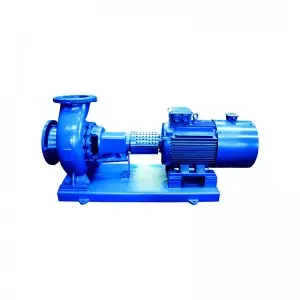
Live water transport pump types and features
What is a live water transport pump?
A live water transport pump moves water from one location to another, supporting residential and professional needs. He or she may use these pumps for irrigation, water supply, or wastewater management. The pump operates by creating pressure that pushes water through pipes or hoses. Homeowners and professionals rely on these devices to ensure consistent water flow for daily tasks and critical operations.
Main types: submersible, centrifugal, diaphragm
Live water transport pumps come in several main types. Submersible pumps operate underwater, using a sealed motor cooled by the fluid. Centrifugal pumps use a rotating impeller to generate flow by centrifugal force and typically install above the fluid source. Diaphragm pumps, a form of positive displacement pump, move water by trapping and releasing fixed amounts. The table below compares the most widely used types:
| Type of Pump | Description | Applications |
|---|---|---|
| Centrifugal Pumps | Operate by generating energy in water through a spinning rotor. | Water supply, irrigation, pool management, HVAC systems, wastewater management. |
| Positive Displacement Pumps | Move water by trapping a fixed amount and forcing it out into a discharge pipe. | Efficient in irrigation, suitable for sewage applications due to ability to handle solids. |
Selecting a live water transport pump requires attention to several essential features. Flow rate and pressure determine how much water the pump can move and at what force. As pressure increases, flow rate may decrease, especially in centrifugal pumps. Positive displacement pumps maintain efficiency under higher pressure. The power source, such as electric, solar, or battery, impacts energy consumption and environmental footprint. Portability matters for users who need to move pumps between locations. Inlet and outlet size affect compatibility with existing plumbing. The chart below shows typical price ranges by type and capacity:
Step-by-step selection guide for live water transport pumps
Identify your application and water source
Selecting the right live water transport pump starts with a clear understanding of the intended application and the characteristics of the water source. Homeowners and professionals must consider whether the pump will serve irrigation, household supply, drainage, or industrial needs. The type of water source—such as a well, river, or rainwater tank—directly impacts pump selection.
A rainwater pump is an essential component of rainwater harvesting systems. These pumps are designed to effectively transport rainwater from storage tanks or collection points to various applications such as irrigation, toilet flushing, and laundry.
The most challenging factor in pumping water from a lake or river is in managing the distance between the home and the water source. The further the water must travel from the source to the destination and the greater the elevation between them, the harder the pump must work in order to move the water over that distance.
Similar to well water pumping, a pump must be sized properly in order to ensure the correct amount of pressure is provided in relation to the amount of gravity it has to overcome.
Determine required flow rate and pressure
Accurate calculation of flow rate and pressure ensures the pump meets daily demands. Flow rate is measured in gallons per minute (GPM), while pressure is measured in pounds per square inch (psi). Both values depend on the number and type of fixtures or equipment the pump will serve.
1.To determine the flow rate of a pump:
·Look up the desired head in feet on the chart.
·Trace along the head mark to find the intersection with the impeller diameter curve.
·Check the corresponding value on the horizontal axis for the flow rate.
·Consider factors like fluid viscosity and temperature that may affect the flow rate.
2.Use the Affinity Laws to understand the relationship between flow rate, head, speed, and power:
·Flow Rate Law (Constant Impeller Diameter): Q₁/Q₂ = (N₁/N₂)
·Flow Rate Law (Constant Shaft Speed): Q₁/Q₂ = (D₁/D₂)
3.To calculate pump flow rate manually:
·Collect fluid in a known volume container.
·Measure the time taken to fill the container.
·Use the formula: Flow Rate = Volume of fluid collected / Time taken.
Using a Centrifugal Pump Flow Rate Calculator:
·Input parameters such as impeller diameter, pump speed, and head.
·Click the calculate button to obtain the flow rate result.
The table below shows typical flow rate and pressure requirements for common household fixtures:
| Fixture Type | Flow Rate (GPM) | Pressure (psi) |
|---|---|---|
| Showerheads | 1.5 – 3.0 | 40 – 60 |
| Washing Machines | 3.0 – 5.0 | 40 – 60 |
| Dishwashers | 2.0 – 4.0 | 40 – 60 |
| Lavatory Faucets | 2.0 – 3.0 | 40 – 60 |
| Hose Bibs | 8 – 10 | 40 – 60 |
Match pump type and specifications to your needs
Matching the pump type and specifications to the application prevents inefficiencies and equipment damage. The following table summarizes key factors to consider:
| Factor | Description |
|---|---|
| Flow Rate | Indicates how quickly the pump can move water, measured in gallons per minute. |
| Head Height | Refers to the vertical distance the pump can lift water, crucial for project suitability. |
| Power Source | Options include electric, gas, or diesel, each affecting performance based on application needs. |
| Pressure Rating | Determines the pump’s ability to handle specific pressure requirements for different scenarios. |
| Type of Liquid | The nature of the liquid being pumped, especially important for handling solids and debris. |
Selecting the wrong specifications can lead to several issues:
·Inefficiencies in operation
·Equipment damage
·Increased maintenance costs
·Problems arising from incorrect specifications such as temperature, pressure, speed, viscosity, and suction lift
Consider installation, maintenance, and power source
Proper installation and maintenance extend the lifespan of a live water transport pump. Users should follow safety guidelines and select a reliable power source, especially in off-grid or remote locations.
| Installation and Maintenance Requirements | Description |
|---|---|
| Personal Protective Equipment | Wear gloves, goggles, and boots during installation. |
| Power Supply | Turn off and disconnect electrical cables before working on the pump. |
| Waterproof Connectors | Use waterproof connectors and follow safety guidelines for electrical connections. |
| Pump Operation | Do not operate the pump without water or with air in the system. |
| Maximum Ratings | Do not exceed the maximum pressure or temperature ratings of the pump. |
| Common Issues | Regular maintenance is required to prevent overheating, leakage, and low water pressure. |
| Installation Location | Install in a dry, well-ventilated, and accessible area. |
| Piping Compatibility | Use pipes and fittings that are compatible with the pump and water quality. |
| Safety Regulations | Comply with local codes and standards for electrical and plumbing systems. |
Reliable power sources for remote use include:
·Solar Power: Ideal for daytime use, requires sufficient panel area and charge controller. Best for sunny regions.
·Portable Power Stations: All-in-one units that support AC and DC output, suitable for flexible setups and quick recharging.
·Micro-Hydro Systems: Provides a constant power supply from flowing water, making it highly reliable for off-grid use.
Evaluate reliability, efficiency, and brand reputation
Efficiency and reliability are critical for long-term performance. Pump efficiency measures how well the pump converts input power into useful water movement. The Best Efficiency Point (BEP) is the operating point where the pump is most efficient, typically at 80-85% of maximum flow rate. Operating away from this point can increase wear, energy costs, and reduce lifespan.
| Efficiency Metric | Description |
|---|---|
| Pump Efficiency | Ratio of water power output to mechanical power input, expressed as a percentage. |
| Best Efficiency Point (BEP) | Operating point where the pump is most efficient, typically at 80-85% of maximum flow rate. |
| Factors Affecting Efficiency | Includes impeller design, casing shape, and operating conditions. |
| Relationship with Flow Rate | Strong correlation with pump efficiency, especially for flow rates greater than 100 L/s. |
| Impact of Operating Away from BEP | Leads to increased wear, higher energy costs, and reduced lifespan of the pump. |
When evaluating brands, users should research online reviews and consider the reputation of the manufacturer. Liancheng Pumps, for example, offers a wide range of live water transport pump solutions with a focus on efficiency and reliability.
Practical tips and common mistakes to avoid
Industry experts recommend several best practices to extend pump lifespan and avoid common mistakes:
1.Regular Maintenance: Proactively clean and service the pump to prevent common issues.
2.Monitoring Shaft Wear: Regularly check for shaft wear and signs of bending to avoid operational problems.
3.Ensuring Proper Seals: Choose seals that are appropriate for the specific application to prevent failures.
4.Monitor Vibrations: Keep an eye on vibration levels to detect potential issues early.
5.Ensure Proper Alignment: Check for misalignment to improve efficiency and reduce wear.
The table below highlights common mistakes and prevention methods:
| Mistake | Description | Prevention Method |
|---|---|---|
| Incorrect Pump Placement | Installing the pump directly on the ground can expose it to moisture and damage. | Elevate the pump on a stable foundation to prevent exposure to moisture and dirt. |
| Inadequate Electrical Connections | Faulty wiring can lead to voltage fluctuations and motor burnout. | Ensure wiring is correctly sized and meets the pump’s electrical requirements. |
| Insufficient Pipe Sizing | Wrong pipe size can hinder water flow and reduce efficiency. | Choose appropriate pipe size and material based on pump specifications. |
| Neglecting Safety Measures | Not following safety protocols can lead to accidents. | Always wear protective equipment and seek professional assistance when needed. |
| Ignoring Proper Priming | Failing to prime can cause cavitation and damage. | Follow manufacturer’s instructions for proper priming. |
| Poor Pump Placement and Support | Misalignment can cause vibrations and damage. | Use suitable mounts and flexible connectors to ensure stability. |
| Skipping Routine Maintenance | Neglecting maintenance can lead to premature pump failure. | Create and adhere to a maintenance schedule for cleaning and checks. |
Buyer’s checklist for live water transport pumps
A comprehensive checklist helps buyers make informed decisions:
1.Purpose: Identify the primary function of the pump, such as irrigation, water supply, or drainage.
2.Flow rate: Calculate the required flow rate based on the intended use.
3.Head pressure: Determine the necessary head pressure to overcome elevation differences and friction losses.
4.Power source: Decide between an electric, diesel, or gasoline-powered pump depending on your setup.
5.Pump Type: Consider centrifugal, submersible, jet, or positive displacement pumps based on your needs.
6.Pump Materials: Choose appropriate materials for the pump body, impeller, and shaft based on the application.
7.Pump Specifications: Check power rating, voltage, efficiency, and noise level.
8.Pump Features: Look for self-priming capabilities, automatic operation, and portability.
9.Retailer Reputation: Research online retailers for positive reviews and strong reputations.
10.Customer Reviews: Read feedback to understand real-world performance and reliability.
11.Warranty and Support: Consider warranty length and support availability.
Buyers should also verify authenticity and quality by examining the nameplate, inspecting paint and craftsmanship, and checking for size marks on accessories. Certifications and accreditations ensure compliance with industry standards, while customer reviews provide insight into real-world reliability.
Selecting a live water transport pump involves several key steps:
1.Identify the media and flow rate.
2.Assess suction and discharge head.
3.Consider temperature and NPSHa.
Next, users should review product guides, compare pump types, and evaluate durability. Prioritizing reliability and efficiency ensures long-term performance and cost savings.
FAQ
How often should a homeowner service a live water transport pump?
A homeowner should inspect and clean the pump every six months. Regular maintenance helps prevent breakdowns and extends the pump’s lifespan.
Tip: Schedule maintenance before peak usage seasons for best results.
What is the best pump type for deep wells?
Submersible pumps work best for deep wells. They operate underwater and deliver consistent pressure for household or irrigation needs.
| Pump Type | Suitable Application |
|---|---|
| Submersible | Deep wells |
| Centrifugal | Shallow sources |
Where can professionals find reliable live water transport pumps?
Professionals can visit Liancheng Pumps for a wide selection of efficient and reliable live water transport pumps.
·Explore product specifications
·Compare models for different applications
Post time: Sep-24-2025