

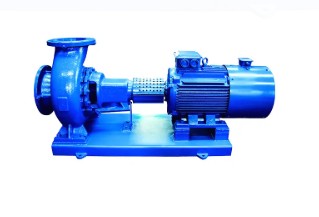
Can the right pump redefine city water systems? The Single-stage Centrifugal Pump delivers efficient, reliable urban water supply. The SLNC New Type single-stage model meets ISO2858 standards, ensuring top performance.
| Standard | Description |
|---|---|
| ISO2858 | Ensures performance and reliability in urban water systems. |
| The World Bank estimates cities need USD 150 billion yearly for water infrastructure, highlighting the pump’s importance. |
Single-stage Centrifugal Pump Benefits
Efficiency and Energy Savings
The SLNC New Type Single-stage Centrifugal Pump sets a new standard for efficiency in urban water systems. Its robust design, inspired by leading international models, meets ISO2858 standards. This ensures optimal hydraulic performance and energy savings. Cities often run pumps for thousands of hours each year. High efficiency directly reduces electricity consumption, which lowers operating costs. The SLNC pump’s streamlined internal structure and advanced impeller design minimize energy loss during water transfer.
Tip: Efficient pumps help cities save money and reduce their environmental impact.
The market shows a strong shift toward electric operation, with over 50% of centrifugal pumps now running on electricity. This trend highlights the importance of energy-efficient solutions like the Single-stage Centrifugal Pump. The pump’s versatility allows it to handle a wide range of flow rates and pressures, making it suitable for municipal water distribution, HVAC systems, and industrial processes.
Reliability and Low Maintenance
Reliability remains a top priority for urban water infrastructure. The SLNC Single-stage Centrifugal Pump features a sturdy cantilever design and high-quality materials. These features reduce wear and extend the pump’s lifespan. Studies in municipal water applications use models such as hydraulic, operation, deterioration, and optimization to estimate failure-free operation. The deterioration model focuses on component wear, especially seals, which affects reliability. The SLNC pump’s design addresses these concerns, ensuring consistent performance over time.
Maintenance costs play a significant role in city budgets. The following table compares maintenance complexity and cost-effectiveness between single-stage and multi-stage pumps:
| Pump Type | Maintenance Complexity | Cost-Effectiveness |
|---|---|---|
| Single-Stage Pumps | Simpler | More cost-effective |
| Multi-Stage Pumps | Complex | More costly |
The SLNC pump’s simple structure makes it easier to service. Fewer moving parts mean less downtime and lower labor expenses. Cities benefit from reduced maintenance schedules and improved reliability, which keeps water systems running smoothly.
Cost-effectiveness for Cities
Urban planners must consider lifecycle costs when choosing water pumps. The Single-stage Centrifugal Pump offers significant savings over its lifespan. The table below outlines typical cost components for cities using these pumps:
| Cost Component | Description |
|---|---|
| Acquisition Costs | Initial costs incurred when purchasing the pump system. |
| Operating Costs | Includes energy consumption, which can dominate LCC if pumps are used for more than 2000 hours annually. |
| Maintenance Costs | Labor expenses related to servicing the pump, which can vary based on system complexity. |
| Efficiency | The efficiency of the pump impacts overall costs, with AI applications potentially improving it. |
| Lifespan | Typical lifespan of a pumping system is 15 to 20 years, affecting long-term cost evaluation. |
The Single-stage Centrifugal Pump dominates the market, holding approximately 50% of total market share in 2025. Its enhanced reliability, optimized maintenance, and superior operational efficiency make it a smart investment for cities. Municipal water budgets benefit from these pumps, which deliver consistent performance and reduce long-term expenses.
| Feature | Details |
|---|---|
| Market Share in 2025 | 63% of the centrifugal pumps market, indicating strong demand and cost-effectiveness. |
| Electric Operation Share | Over 50%, highlighting a shift towards energy-efficient solutions. |
| Applications | Suitable for HVAC systems, municipal water distribution, and industrial processes. |
The SLNC pump’s ability to be customized for nearly 200 different types ensures it meets diverse urban water supply needs. Cities can select the right configuration for their specific requirements, maximizing both performance and savings.
Meeting Urban Water Needs
Consistent Pressure and Flow
City water systems require stable pressure and flow to serve homes, businesses, and public facilities. The SLNC New Type Single-stage Centrifugal Pump supports this need with a design that maintains consistent pressure across large pipeline networks. This stability is vital as urban water demand changes throughout the day. The pump’s single impeller converts mechanical energy into kinetic energy, then into pressure energy. This process allows the pump to handle different flow rates and deliver reliable water supply, even as demand rises or falls.
Note: Consistent pressure helps prevent pipe bursts and ensures every building receives water, no matter the time of day.
Adaptability and Customization
The SLNC pump adapts to a wide range of urban water supply scenarios. Its customizable features allow it to meet specific requirements for flow, head, and temperature. Operators can adjust the impeller type and speed to match the needs of each application. The pump works well in low to moderate head situations, making it effective for most municipal systems.
- Single-stage centrifugal pumps maintain stable water flow and pressure, which is crucial for urban water supply systems.
- They provide clean water to households, showing adaptability to different city environments.
- These pumps efficiently transfer liquids in industrial applications.
- Their continuous fluid flow supports water treatment and other urban operations.
Application Scenarios
The SLNC New Type Single-stage Centrifugal Pump serves many roles in urban environments. The table below highlights common application scenarios:
| Application Scenario | Description |
|---|---|
| Water supply in residential communities | Provides essential water supply for urban living. |
| Secondary pressurization in high-rise buildings | Enhances water pressure for upper floors. |
| Preliminary lifting of municipal sewage treatment | Assists in the initial stages of sewage processing. |
This versatility makes the pump a reliable choice for cities, high-rise buildings, and industrial parks. Its ability to handle varying flow and head requirements ensures stable operation in diverse settings.
Pump Type Comparison
Single-stage vs. Multi-stage
Single-stage centrifugal pumps and multi-stage pumps serve different roles in urban water supply. Single-stage pumps work best for moderate head requirements and offer lower initial costs. They need less maintenance because of their simpler structure. Multi-stage pumps deliver higher pressures and suit demanding applications, such as boiler feedwater systems. Their complex design makes them more expensive to maintain.
- Single-stage pumps handle heads up to 125 meters, making them ideal for most city water systems.
- Multi-stage pumps excel when applications require heads above this range.
Single-stage pumps fit straightforward tasks like water supply and chemical processing of non-viscous fluids. Multi-stage pumps perform well in high-pressure scenarios, including seawater desalination.
Single-stage vs. Other Types
Single-stage centrifugal pumps stand out among other pump types in urban water supply. Centrifugal pumps move large volumes of fluid quickly, which is essential for cities.
- They offer energy efficiency, helping municipalities lower operational costs.
- These pumps require less maintenance, ensuring reliable service and reducing downtime.
Why Single-stage Excels in Urban Supply
Single-stage centrifugal pumps play a key role in resilient urban water infrastructure. They support efficient water distribution and water treatment processes. Their design adapts to changing demand patterns, which helps cities face challenges from climate change and urban growth.
The SLNC New Type Single-stage Centrifugal Pump integrates the best features from previous models. The table below highlights its advantages:
| Feature | Description |
|---|---|
| High Efficiency & Energy Saving | Optimized hydraulic design lowers power consumption. |
| Compact Vertical Layout | Ideal for retrofit or space-limited setups. |
| Reliable Operation | Solid mechanical design, low vibration, stable performance. |
| Low Maintenance | Modular structure allows fast disassembly and parts replacement. |
Tip: Choosing the right pump type ensures stable, cost-effective, and reliable water supply for cities.
The Single-stage Centrifugal Pump stands out for efficiency, reliability, and adaptability in city water systems. Urban planners value the SLNC model for stable performance. Future water systems will benefit from:
- Automation for better efficiency
- Smart controllers for steady flow
- Sustainable designs that lower energy use
FAQ
What makes the SLNC Single-stage Centrifugal Pump suitable for city water systems?
The pump meets ISO2858 standards. It delivers stable pressure and flow. Cities use it for reliable water supply and easy maintenance.
Note: SLNC pumps work well in high-rise buildings and industrial parks.
Can the SLNC pump handle different water delivery needs?
Operators can customize the pump. It supports various flow rates and head requirements. The pump adapts to different urban and industrial scenarios.
- Flow range: 15-2000 m³/h
- Head range: 10-140m
How does the SLNC pump help cities save money?
The pump uses energy efficiently. It requires less maintenance. Cities benefit from lower operating costs and longer pump lifespan.
| Benefit | Description |
|---|---|
| Energy Savings | Reduces electricity bills |
| Low Maintenance | Cuts labor expenses |
| Long Lifespan | Extends replacement cycle |
Post time: Dec-08-2025