

A single-stage centrifugal pump delivers reliable water transfer in demanding environments. High-efficiency models like the SLNC series offer excellent performance, stable operation, and easy maintenance. These pumps help users overcome common water transfer challenges while ensuring consistent flow and dependable service in industrial, commercial, or residential applications.
Single-stage Centrifugal Pump Overview
How Centrifugal Pumps Work
A centrifugal pump moves water by converting rotational energy from a motor into kinetic energy. The impeller spins, creating a flow that pushes water outward through the pump casing. This process allows the pump to transfer water efficiently in many settings. The single-stage centrifugal pump uses one impeller, which makes it simple and reliable for most water transfer needs.
The table below compares single-stage and multi-stage pumps:
| Feature | Single-Stage Pump | Multi-Stage Pump |
|---|---|---|
| Impellers | One | Two or more |
| Maximum Head | Up to 125 meters | Exceeds single-stage head |
| Structure | Single impeller | Series of impellers |
| Maintenance | Easier to maintain | More complex maintenance |
| Cost Consideration | Generally less expensive for low heads | More expensive for higher heads |
Key Features and Structure
The SLNC New Type Single-stage Centrifugal Pump stands out as a modern, high-efficiency example. It follows ISO2858 standards, which set guidelines for pump design, performance, and material selection. These standards help ensure reliable operation and easy replacement in industrial environments.
| Key Aspect | Description |
|---|---|
| Pump Design | Covers the design of horizontal centrifugal pumps, including construction features and dimensions. |
| Performance Standards | Outlines expected performance characteristics such as flow rates, head, and efficiency. |
| Material Selection | Provides guidance on materials for durability and corrosion resistance in industrial environments. |
| Pump Size and Connection | Specifies sizes and dimensions for compatibility and interchangeability of pumps. |
The SLNC pump uses a cantilever structure. This design improves reliability and makes maintenance easier. The table below highlights how the SLNC’s structure boosts efficiency:
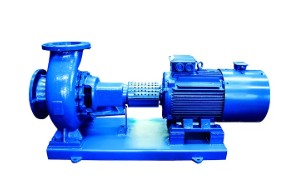
| Structural Feature | Contribution to Efficiency |
|---|---|
| Cantilever Design | Enhances reliability and performance parameters. |
| Optimization of Performance Parameters | Improves overall efficiency by refining operational metrics. |
| Integration of Existing Advantages | Combines benefits from previous pump designs for better results. |
Tip: The SLNC series adapts to many applications, including water supply, drainage, and heating systems.
Common Centrifugal Pump Problems and Solutions
Single-stage centrifugal pumps often face several common challenges during operation. Understanding these issues and their solutions helps users maintain high pump performance and reliability. This troubleshooting guide covers the most frequent problems and explains how the SLNC series addresses them.
Low Flow and Pressure
Low flow and pressure represent some of the most common centrifugal pump problems. Operators may notice reduced water delivery or weak system pressure. The main causes include:
- Impeller wear or damage
- Clogged or blocked suction lines
- Air leaks in the suction system
- Cavitation issues
- Process fluid changes
Single-stage centrifugal pumps like the SLNC series offer effective solutions for these issues. Their simple design allows for quick inspection and repair. The table below compares single-stage and multistage pumps, showing why single-stage models excel in many water transfer applications:
| Pump Type | Characteristics | Suitable Applications |
|---|---|---|
| Single-Stage | Simpler, cost-effective, suitable for low to moderate head | High flow rates, low pressure needs |
| Multistage | More complex, better for high head applications | Scenarios demanding higher heads and efficiency |
Proper selection and configuration of the pump ensure optimal results. Operators should match the pump size and impeller type to the system’s flow and pressure requirements.
Tip: Regular checks for blockages and impeller condition help maintain steady flow and pressure.
Leak Prevention
Leaks can disrupt operations and cause safety risks. The most common sources of leaks in centrifugal pump installations include:
- Packing gland and stuffing box leaks
- Suction-side air leaks
- Worn or damaged wear rings
- Mechanical seal failure
- Flange and piping connection leaks
- Bearing housing or frame leaks
- Casing or volute leaks
High-efficiency single-stage centrifugal pumps like the SLNC series use advanced leak prevention technologies. The table below highlights key features:
| Evidence Type | Description |
|---|---|
| Routine Inspections | Conduct routine inspections to identify wear and tear. Check components such as seals, bearings, and impellers for signs of damage or corrosion. |
| Smart Technology Monitoring | Utilize smart technology to monitor performance metrics. Keeping an eye on flow rates and pressures helps detect anomalies early, preventing more significant issues. |
| Mechanical Seal Structure Design | The exclusive patented mechanical seal structure design can operate continuously without failure for 8 hours, significantly reducing leakage failure rates and the frequency of part replacements. |
Proactive maintenance and regular monitoring help prevent leaks and extend pump life.
Cavitation and Priming
Cavitation occurs when vapor bubbles form and collapse inside the pump, causing noise, vibration, and damage. Proper priming and design features reduce this risk. The most effective solutions include:
| Method | Description |
|---|---|
| Impeller Design | Impellers with fewer, larger blades reduce fluid acceleration, decreasing cavitation risk. Larger inlet diameters and tapered blades help manage flow smoothly, minimizing turbulence. |
| Anti-Cavitation Devices | Devices like flow modification attachments control flow dynamics, reducing turbulence and low-pressure zones. Cavitation suppression liners break apart vapor bubbles before they implode, protecting the pump components. |
| Proper Pump Sizing | Correct sizing prevents inefficiencies that lead to cavitation. Oversized pumps may operate poorly at low flows, while undersized pumps work harder, increasing cavitation risk. Detailed analysis of flow requirements is essential. |
| Maintaining Adequate NPSH Levels | Ensuring NPSHa exceeds NPSHr can be achieved by reducing pump elevation, increasing suction pipe diameter, minimizing head loss, avoiding suction line screens, and cooling the fluid to lower vapor pressure. |
The SLNC single-stage centrifugal pump uses optimized impeller designs and supports precise sizing, which helps prevent cavitation and ensures reliable operation.
Energy Efficiency
Energy efficiency remains a top priority for water transfer systems. Single-stage centrifugal pumps like the SLNC series deliver high efficiency through streamlined internal structures and optimized performance parameters. Operators can adjust impeller size and speed to match system demands, reducing energy waste.
Note: Variable frequency drives (VFDs) and smart monitoring systems further improve efficiency by adjusting pump speed to match real-time flow needs.
Selecting the right pump and configuring it for the application ensures the best energy savings and long-term performance.
Maintenance and Reliability
Operators face several maintenance challenges with centrifugal pumps. These include cavitation, wear and tear, vibration and noise, leaks, priming issues, overheating, clogging, corrosion, and flow rate variability. The table below outlines these challenges and their solutions:
| Challenge | Description | Solution |
|---|---|---|
| Cavitation | Occurs when pressure drops below vapor pressure, causing vapor bubbles. | Operate within recommended flow and pressure ranges; increase inlet pressure or reduce fluid temperature. |
| Wear and Tear | Excessive wear on components due to abrasive fluids or high flow velocities. | Use wear-resistant materials and regularly inspect and maintain the pump. |
| Vibration and Noise | Indicates misalignment, imbalance, or cavitation. | Regularly align and balance the pump; implement vibration monitoring systems. |
| Leaks | Leaking seals or gaskets lead to fluid loss and safety risks. | Ensure proper installation and maintenance of seals; consider double mechanical seals for hazards. |
| Priming Issues | Pumps must be primed to operate correctly; running dry can cause damage. | Use self-priming pumps or ensure proper priming before operation. |
| Overheating | High viscosity fluids or insufficient flow can cause overheating. | Ensure correct pump sizing; consider cooling systems or heat exchangers. |
| Clogging | Solid particles can clog the pump, reducing efficiency. | Install strainers or filters upstream; maintain regular cleaning schedules. |
| Corrosion | Exposure to corrosive fluids degrades materials over time. | Choose corrosion-resistant materials or apply protective coatings. |
| Flow Rate Variability | Fluctuations in demand can lead to inefficient operation. | Implement control systems or VFDs to adjust operation to match flow demands. |
The SLNC single-stage centrifugal pump features a cantilever structure and robust materials, which improve reliability and simplify pump maintenance. Regular inspections and smart monitoring systems help operators address issues before they become serious.
Callout: Adapting the pump to the specific application and following a proactive maintenance plan ensures stable performance and long service life.
This troubleshooting guide shows that single-stage centrifugal pumps like the SLNC series provide effective solutions to common centrifugal pump problems. Their adaptability, high efficiency, and stable operation make them ideal for a wide range of water transfer needs.
High Efficiency and Application Advantages
Cost-effectiveness
Single-stage centrifugal pump systems offer significant cost advantages for water transfer applications. Their simple structure leads to low operating costs and easy maintenance. Operators often choose these pumps because they require fewer parts and less downtime for repairs. Over a five-year period, maintenance costs for single-stage centrifugal pumps remain below 20% of the initial investment, while other pump types like progressive cavity or screw pumps can reach 80% to 90%.
| Pump Type | Maintenance Cost as % of CAPEX |
|---|---|
| Single-stage centrifugal pumps | < 20% |
| Progressive cavity pumps | 80% to 90% |
| Screw pumps | 80% to 90% |
The payback period for investing in high efficiency single-stage centrifugal pumps in industrial water transfer systems typically ranges from 18 to 24 months. This quick return results from operational savings and reduced maintenance needs.
| Payback Period (months) | Description |
|---|---|
| 18-24 | Typical payback period for air-cooled pumps due to operational savings and reduced maintenance costs. |
Reliability in Water Transfer
Reliability stands as a key advantage of single-stage centrifugal pump technology. These pumps perform best at or near their rated capacity, making them ideal for applications that require steady, consistent flow. Operators benefit from the ability to move large volumes of water efficiently. The simple design also means fewer breakdowns and less time spent on repairs.
- Single-stage pumps have lower operational costs due to their simpler structure and ease of maintenance.
- They are more efficient at or near their rated capacity, making them ideal for consistent flow rates.
- These pumps are designed to flow large volumes of water efficiently.
Operators trust single-stage centrifugal pumps for their reliability and stable performance in water transfer systems.
Single-stage centrifugal pumps, such as the SLNC series, solve water transfer challenges with high efficiency, reliability, and adaptability. Operators should consider fluid characteristics, flow rate, pressure needs, and environmental conditions when selecting a pump. Regular maintenance—daily, monthly, quarterly, and annual tasks—ensures optimal performance and long service life.
| Configuration Option | Benefit |
|---|---|
| Speed Control | Saves energy and matches system demand |
| Pump Performance Monitoring | Detects issues early for reliable operation |
Tip: Training operators in proper handling and troubleshooting improves pump reliability and system safety.
FAQ
What types of fluids can the SLNC single-stage centrifugal pump handle?
The SLNC pump transfers clean water or liquids with similar physical and chemical properties. It suits industrial, commercial, and residential water supply applications.
How often should operators perform maintenance on single-stage centrifugal pumps?
Operators should inspect pumps monthly. They should check seals, bearings, and impellers. Regular maintenance helps prevent breakdowns and ensures reliable operation.
What are the main benefits of using a single-stage centrifugal pump?
| Benefit | Description |
|---|---|
| High Efficiency | Delivers optimal water transfer |
| Reliability | Ensures stable performance |
| Easy Maintenance | Simplifies upkeep and repairs |
Post time: Dec-22-2025