

A reliable fire fighting pump is the heart of a building’s fire protection system. It guarantees sprinklers and standpipes have the necessary water pressure to extinguish a fire.
This critical fire-fighting pump activates when municipal water pressure is insufficient. The system provides the power to move a high volume of water, directly saving lives and protecting property.
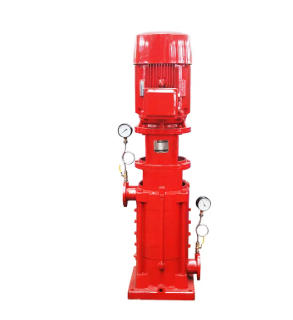
The Critical Role of a Fire Fighting Pump in Active Fire Suppression
A fire fighting pump is a central component of a building’s active fire protection strategy. Active systems, unlike passive ones, take direct action to suppress a fire. A fire fighting pump provides the necessary power for these systems to function effectively, especially when municipal water sources fall short.
| Feature | Active Fire Protection | Passive Fire Protection |
|---|---|---|
| Function | Actively detects and suppresses fires. | Contains and slows the spread of fire. |
| Operation | Requires activation (manual or automatic). | Inherent part of building structure. |
| Examples | Sprinkler systems, fire alarms, fire pumps. | Fire-rated walls, floors, and doors. |
| Goal | Extinguish fire and alert occupants. | Protect escape routes and limit damage. |
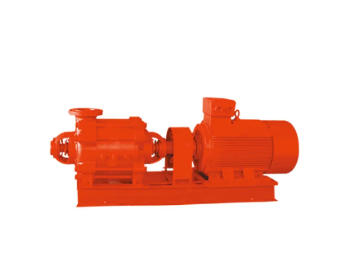
Overcoming Insufficient Municipal Water Pressure
Municipal water systems are not always reliable during an emergency. Several factors can cause dangerously low water pressure.
Increased Demand: Population growth or economic development can strain the water supply.
System Issues: Aging infrastructure and pump malfunctions can reduce efficiency.
Location: Buildings located far from or high above a water source naturally experience lower pressure due to gravity and friction.
Real-world incidents highlight this danger. During the Palisades Fire in Los Angeles, water usage peaked at four times the normal rate, causing 20% of hydrants to run dry. Similarly, in Kula, Maui, firefighters had to leave a fire scene to find working hydrants because a power outage disabled the pumps needed to maintain water pressure. A dedicated fire pump bypasses these issues by providing an independent, high-pressure water supply.
Powering Sprinkler and Standpipe Systems
Sprinkler and standpipe systems are the front lines of fire defense, but they are useless without adequate water pressure. A fire pump system ensures they have the power they need. It activates automatically when system pressure drops, pressurizing the pipes to supply water to sprinkler heads and hose connections.
A complete pump system includes several key parts working together:
Fire Pump: The main unit that boosts water pressure.
Pump Driver: An electric motor or diesel engine that powers the pump.
Controller: The brain of the system that automatically starts the pump.
Piping: A network of suction and discharge pipes that move water from the source to the suppression system.
Jockey Pump: A small pump that maintains normal system pressure to prevent the main pump from cycling unnecessarily.
This integrated system ensures that when firefighters connect to a building’s standpipe, they have immediate access to a high-pressure water stream. It allows them to fight the fire effectively without relying solely on their own equipment or a compromised municipal supply.
Protecting High-Rise and Large-Scale Buildings
High-rise and large-scale buildings present unique fire protection challenges. Water pressure naturally decreases as it travels upward, meaning upper floors may have insufficient flow for sprinklers to work correctly. A fire can also spread rapidly in these large, complex structures, making a swift response essential.
For example, a fire on an upper floor of a skyscraper creates immense difficulties for firefighters. They face an exhausting climb with heavy equipment and must rely on the building’s systems to deliver water. Without a powerful pump, the water might not even reach the fire.
A robust fire fighting pump is designed to overcome these challenges. It generates the high pressure needed to push water to the top of the tallest buildings and throughout sprawling facilities like warehouses or shopping malls. This ensures that every sprinkler head and standpipe connection, even the most remote, can meet the hydraulic demands required to control a fire, protecting both the structure and its occupants.
Ensuring Reliability and Supporting Emergency Response
A reliable fire fighting pump does more than just move water; it builds a foundation of trust for building occupants and first responders. This reliability is achieved through strict adherence to safety standards, direct support for firefighting operations, and a consistent maintenance schedule. A dependable system ensures a swift and effective response when every second counts.
Adhering to NFPA 20 Standards for Safety
Compliance with safety standards is non-negotiable for fire protection. The National Fire Protection Association’s NFPA 20 standard provides the definitive guidelines for the installation of stationary pumps. This standard dictates critical requirements for the pump room’s location, fire rating, and electrical power supply to ensure the system operates flawlessly during an emergency. Failure to comply carries significant risks.
Building owners who neglect these standards may face serious consequences, including:
Heavy fines and citations from regulatory bodies.
Increased insurance premiums or loss of coverage.
Legal liability for damages and injuries during a fire.
A greater risk of catastrophic system failure when it is needed most.
Enhancing Firefighter Safety and Effectiveness
A properly functioning fire fighting pump is a critical ally for firefighters. Emergency responders cannot always trust a building’s water pressure, but a well-maintained pump provides a reliable, high-pressure water source directly at the scene. This allows teams to attack the fire faster and more aggressively, reducing property damage and improving safety. Modern pump controllers also offer immediate operational intelligence, allowing firefighters to quickly check the system’s status, power supply, and pressure readings to make informed tactical decisions.
The Importance of Regular Testing and Maintenance
Installation is only the beginning. To prevent common failure points like mechanical wear, electrical faults, or bearing degradation, a pump must undergo regular testing and maintenance. NFPA standards mandate routine inspections, including weekly “churn” (no-flow) tests and comprehensive annual flow tests. These procedures verify that the pump can achieve its rated pressure and flow capacity. Consistent maintenance ensures the entire assembly is ready to perform reliably, confirming its ability to protect the building and support emergency responders.
A reliable fire fighting pump is a non-negotiable component of modern building safety. It delivers the critical water pressure needed to protect complex structures and support life-saving efforts. Investing in a compliant system from a reputable manufacturer like Liancheng Pumps directly protects occupants and preserves property.
FAQ
What is the main purpose of a fire pump?
A fire pump boosts water pressure for a building’s fire suppression systems. It ensures sprinklers and standpipes function effectively when municipal water pressure is too low during an emergency.
How often does a fire pump need testing?
NFPA standards require weekly no-flow tests and comprehensive annual flow tests. Regular testing confirms the pump’s readiness and reliability, ensuring it will perform as expected when needed most.
What makes a fire pump system reliable?
Reliability comes from robust engineering and strict adherence to safety standards like NFPA 20. High-quality systems, such as the Liancheng Pumps XBD-D series, ensure dependable performance during a fire.
Post time: Oct-31-2025