

A: As we all know, energy-saving improvements require reliable reference data, and these reference values need to be measured and calibrated by ourselves.
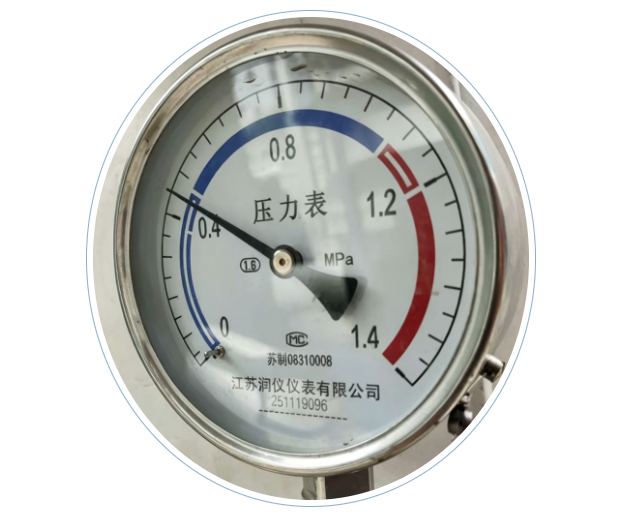
You may ask: Why not simply use the readings displayed by the customer’s on-site instruments?
Unfortunately, this is not advisable. Many instruments and meters used on site may not provide sufficiently accurate readings because they have not been calibrated in a timely manner. Pressure gauges are a typical example. Most pressure gauges used on site are analog dial gauges, and if they are not calibrated regularly, the deviation can become significant. If inaccurate data is used as the basis for an energy-saving retrofit, the consequences can be serious.
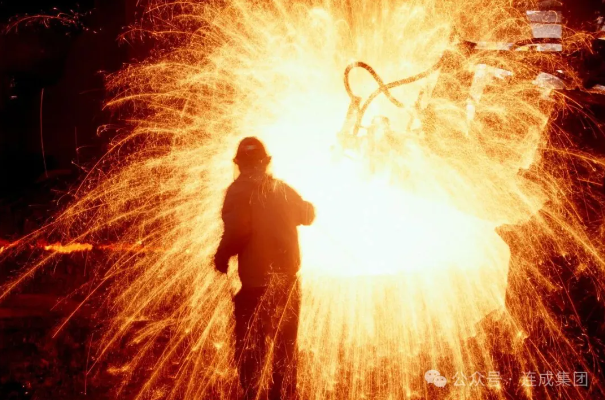
A: You have probably heard of blast furnace ironmaking and converter steelmaking. In steel plants, circulating water pumps are mainly concentrated in these areas. Of course, circulating water pumps are also used in many other ironmaking and steelmaking processes, but blast furnaces and converters are undoubtedly among the areas where they are most heavily concentrated. Taking a blast furnace as an example, the furnace top, furnace wall, furnace bottom, and other sections all require circulating water for cooling.
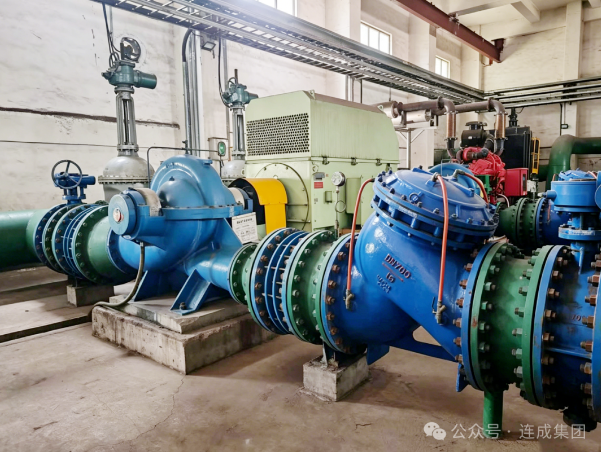
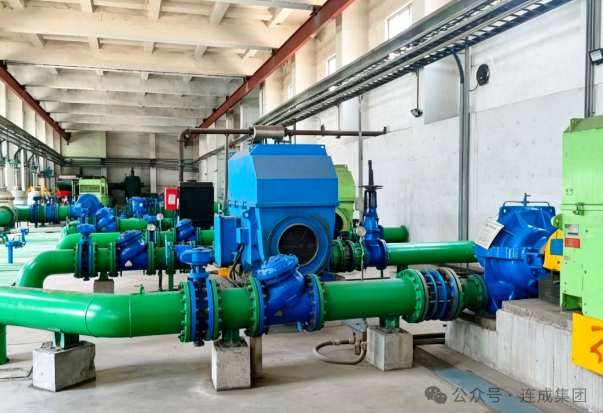
Circulating water pumps used in ironmaking and steelmaking processes generally have relatively high power ratings, ranging from several hundred kilowatts to more than 1,000 kW. Most are double-suction split-case pumps. Many of these pumps are installed together in a small number of pump houses, or even in one large centralized pump house. Cooling towers are also usually concentrated in the same area, making them easy to identify in a steel plant because of the visible water mist surrounding them.
Liancheng has supplied a considerable amount of equipment for blast furnace and converter applications in steel plants. One example is the No. 1 Blast Furnace project of Shanxi Jianlong Iron & Steel.
Post time: Aug-19-2026